
INSURANCE SECTOR

Data governance that protects policyholders and accelerates insurance decisions

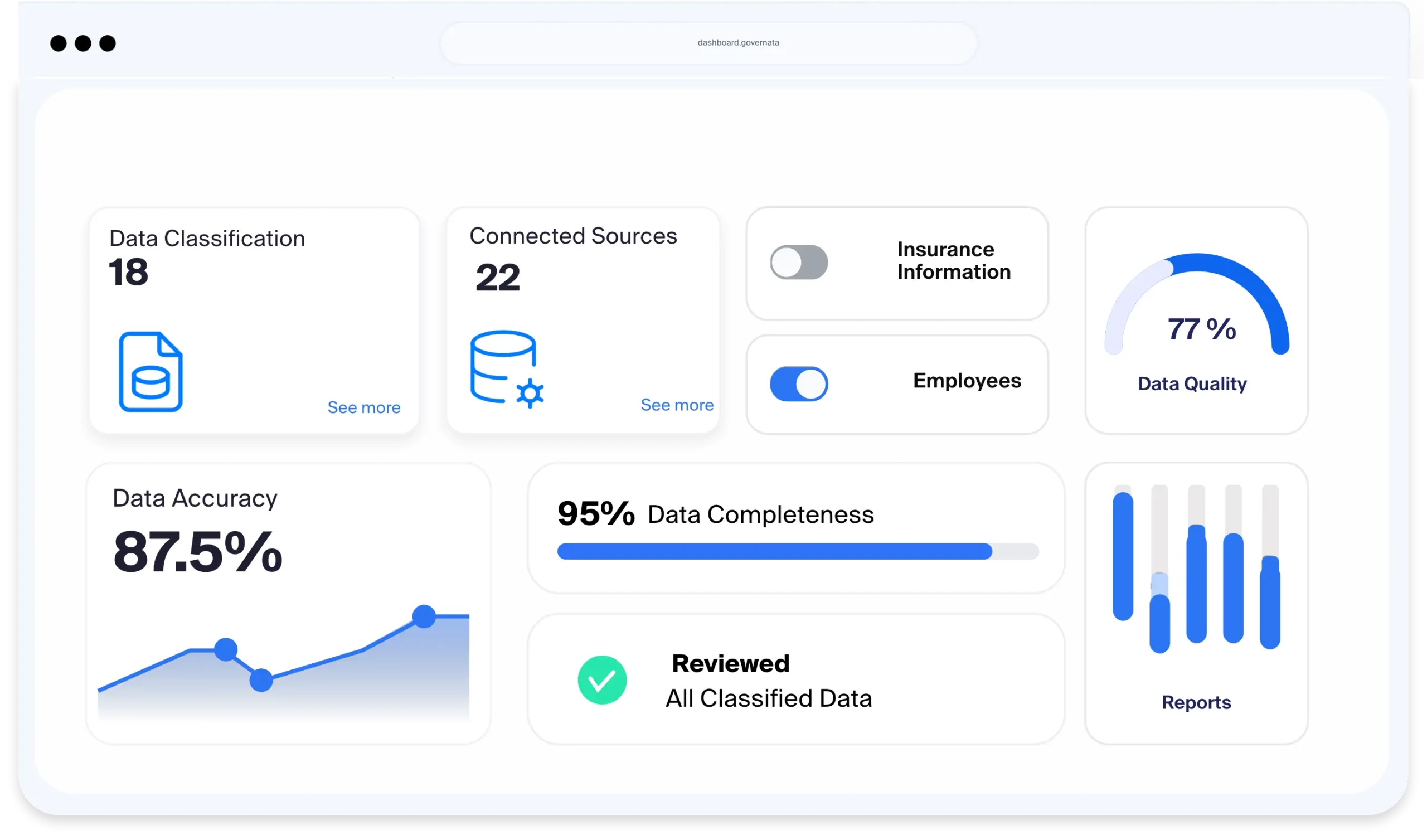
Governata helps insurance companies unify policy, claims, and customer data with full compliance with PDPL and SAMA requirements.

Compatible with major global systems and companies

Three challenges facing data management in insurance companies

Scattered policyholder data

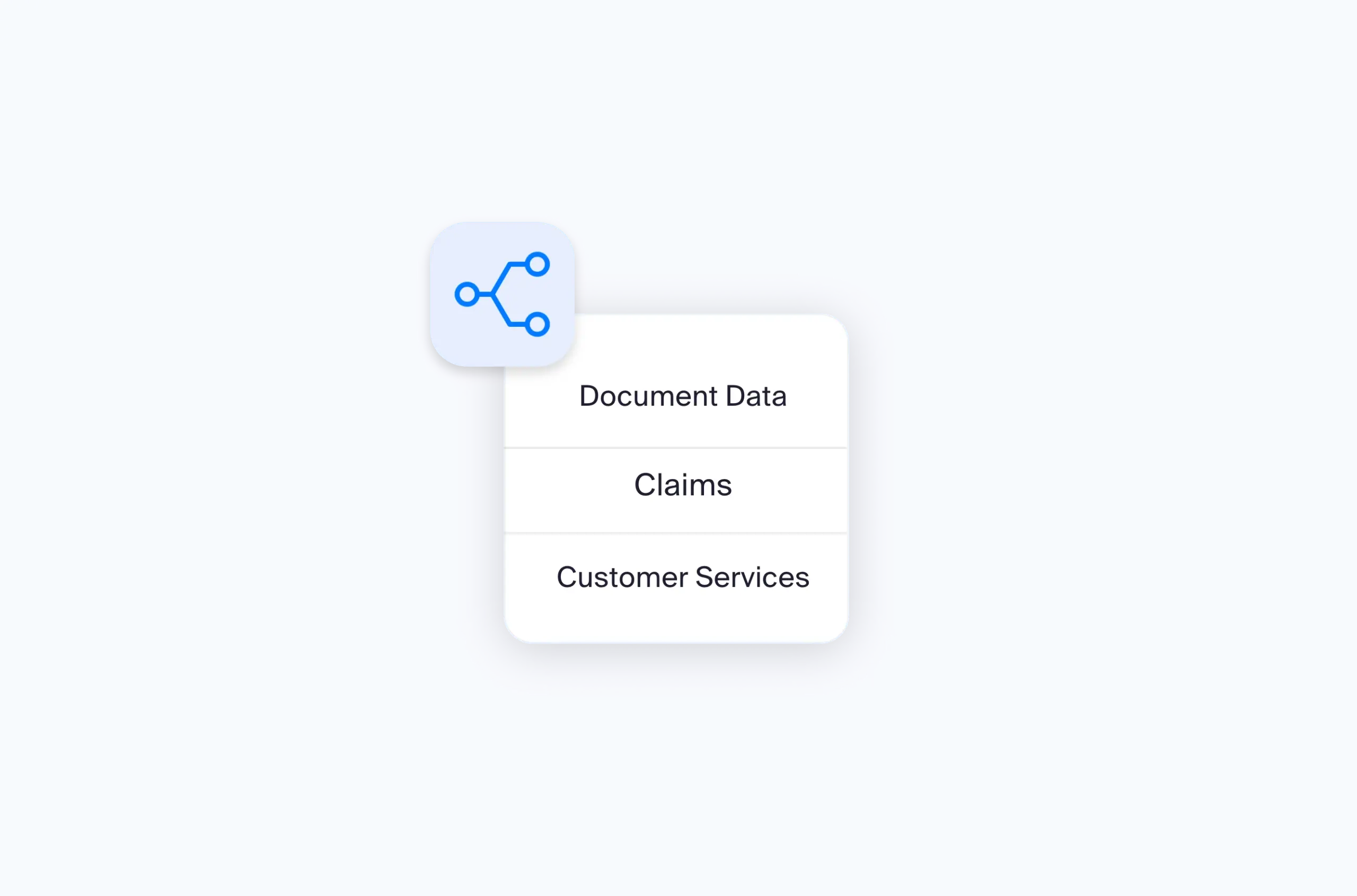
Policyholder data is split between policy, claims, and customer service systems, making a unified customer view hard to build.

Manual regulatory reports

SAMA, NDMO, and IFRS 17 reports require gathering data from many sources, consuming time and raising the chance of errors.

Data quality weakens decisions.

Incomplete claims data and documentation make insurance product pricing and risk assessment less accurate.
How does Governata support insurance sector?

Unified catalog for policyholders

Linking policy, claims, and customer service data in one catalog to build a complete view of every policyholder.

Automated SAMA and NDMO reports

Ready templates for SAMA and NDMO reports with data lineage proving the source and reliability of every number to regulators.

Personal data classification under PDPL

Automatic discovery and classification of identity and contact data across systems with consent management per PDPL requirements.

Actuarial data quality monitoring

Quality rules running periodically on claims and policy data to ensure accuracy in pricing and reserve calculations.

Data governance built to insurance sector standards

Governata unifies policy, claims, and customer data in one view while applying privacy policies and SAMA compliance requirements automatically.

Higher policyholder trust

Policyholders know their data is preserved and handled per regulations, raising satisfaction and policy renewal likelihood.

Faster underwriting decisions

Clean unified data shortens the underwriting cycle and makes risk pricing more accurate and confident.

Reduced fraud risk

Spotting fraud patterns becomes faster because claims data is linked to the customer's full context and history.


Questions insurance companies ask before starting

What does data governance mean in the insurance sector?

Data governance in insurance means unifying the management of policy, claims, and policyholder data across systems under clear policies for data quality and protection, serving both operational decisions and regulatory compliance.

The insurance sector handles sensitive personal data and strict regulatory requirements from SAMA, NDMO, and IFRS 17, alongside the need for data accuracy in pricing and risk assessment.

Insurance pricing models rely on historical claims and risk data, so any gap or error in this data leads directly to inaccurate pricing that either loses revenue or exposes the company to losses.

SAMA requires customer data protection and maintaining auditable records, alongside periodic reports covering performance and risk indicators, all of which require a coherent data governance system across systems.

Fraud detection models require a unified view of the customer, their claims history, and behavioral patterns, and data governance makes this view available and accurate, raising detection effectiveness and reducing false alarms.

Make data the foundation of every insurance decision

Discover how Governata turns your company's data into an operational asset and an integrated compliance system.