Data Pipeline

Move your data across systems with precision and control

Control how data moves between your systems through a structured pipeline that connects sources, manages transformations, and ensures accurate and consistent delivery without manual intervention.

Compatible with leading global systems and technologies.

Why modern organizations need data pipeline management?

Unified data flow

Data moves in a structured way between systems through a clear path that ensures consistent delivery

Reduced manual errors

Automating data movement between systems reduces reliance on manual processes and minimizes operational errors

Full visibility and control

Track how data moves between systems with complete clarity on every step and transformation

Easier system integration

Connect different systems through an organized flow that reduces complexity and prevents data conflicts
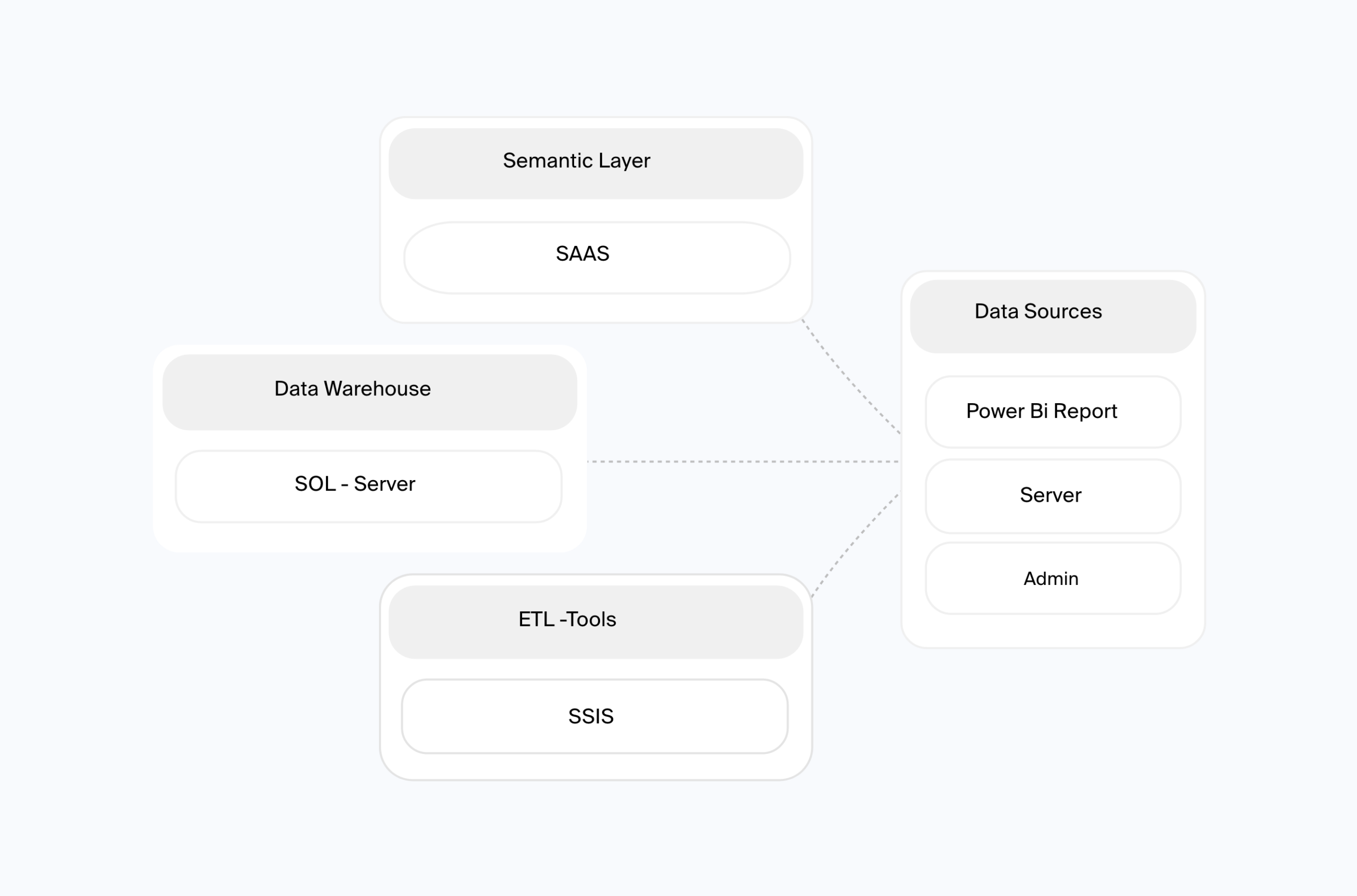
End-to-end capabilities for managing data flow from source to destination

Design, run, and monitor data pipelines across your systems through a single operational layer that is clear and fully controllable

Data ingestion from multiple sources

The system receives data from databases, applications, and APIs, either on a scheduled basis or in real time, with every update

Automated transformation and cleansing

Data is processed during movement by correcting values, standardizing formats, and transforming it to match the target system requirements

Routing data to the right destination

Data is delivered to the appropriate system, such as data warehouses, analytics tools, or operational applications, without manual intervention

Flow monitoring and error handling

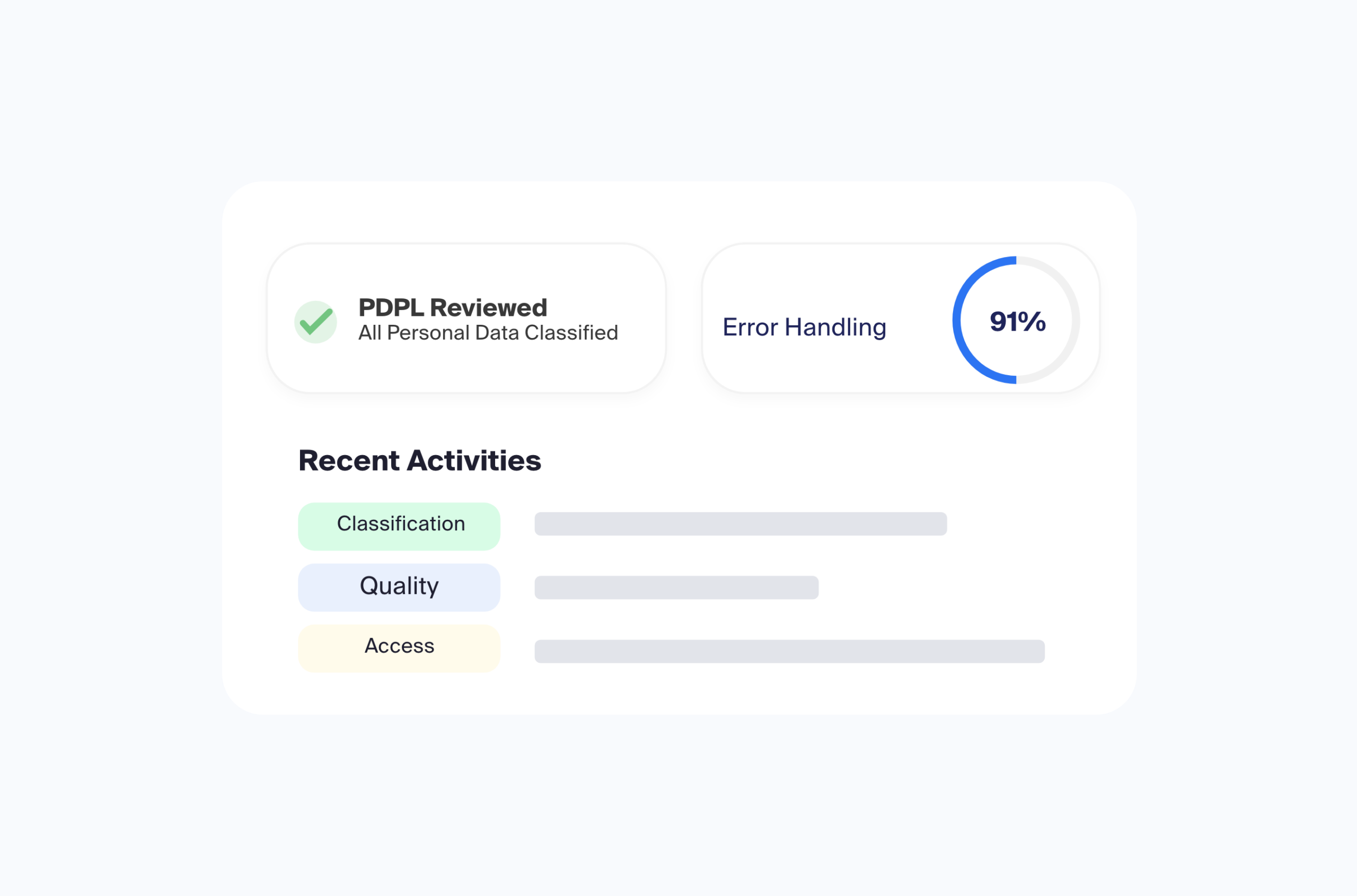
Each pipeline is continuously monitored with real-time alerts for any issues and a clear mechanism to resolve them before impacting other systems

Everything you need to manage your data in one program

Data Governance

Complete framework to organize, classify, and track your data
Master Data Management

A unified and fully trusted source for your core data across all enterprise systems
Data Privacy

Personal data discovery and protection under PDPL
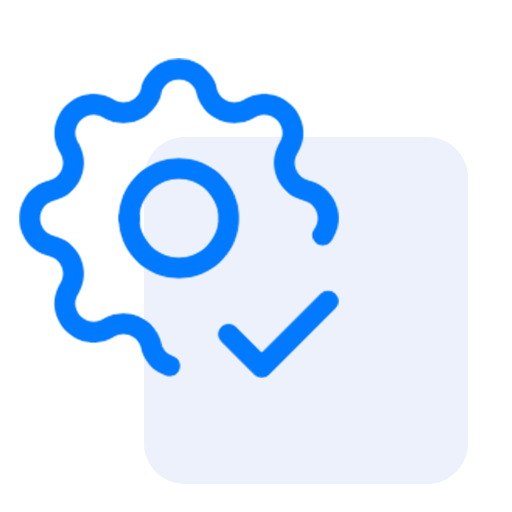
Data Quality

Continuous measurement and monitoring to improve data quality
Governata Core "Soon"

Comprehensive administrative backbone running Governata across your organization
Data Assets Connectors "Soon"

Safe system connection and automatic metadata discovery
Reference Data Management "Soon"

Unified reference for code sets, hierarchies, and values

Governata Ask "Soon"

Smart search in plain language for trusted answers
From source to destination in three steps

1
Define source and destination

Select the systems that provide data to the pipeline and define the final destination for each data flow

2
Define transformation rules

Set how data is cleaned, standardized, and transformed to match the requirements of the target system before delivery

3
Run and monitor the pipeline

Data movement runs automatically with continuous monitoring of each pipeline and instant alerts for any delays or issues

Three data flow types. One system to manage them

Governata Data Pipeline supports multiple data movement patterns based on your operational needs and system requirements

Batch processing

Data is transferred in scheduled intervals, suitable for reporting and analytics that do not require continuous updates
Real-time processing

Data is transferred instantly as it is generated, suitable for operational processes that require immediate response
Hybrid processing

A combination of batch and real-time flows within the same environment to support different needs without added complexity
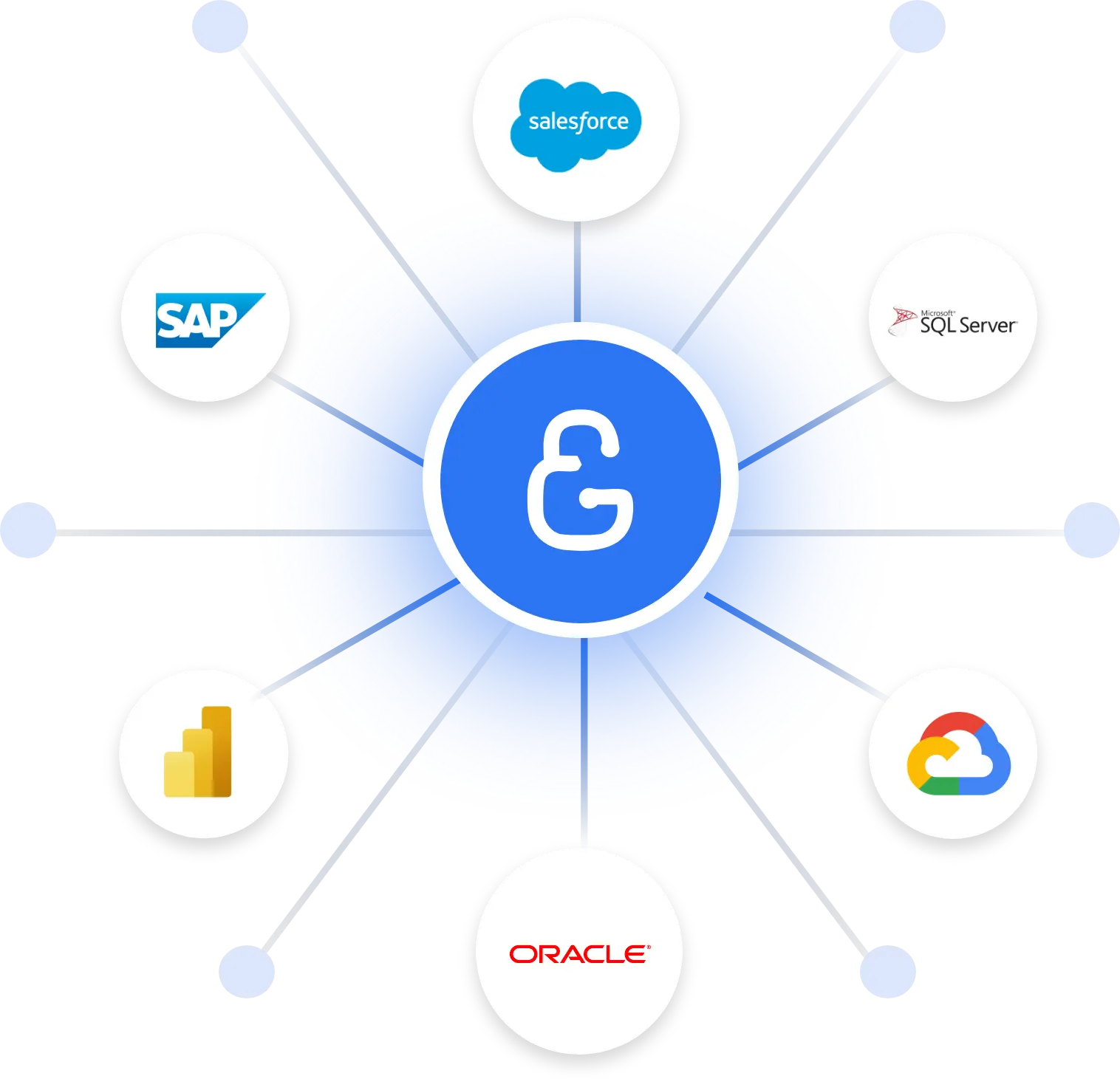
Integrates with your existing systems, no complexity

Instant connection to systems and existing data sources within your organization without the need to change your infrastructure.

Frequently Asked Questions

What is a data pipeline?

It is the path through which data moves between systems, from its source to its destination such as data warehouses or analytics tools.

Batch flow transfers data at scheduled intervals, while real-time flow transfers data immediately as it is generated.

No. The system connects to your existing systems and reads data from them without requiring changes to your technical infrastructure.

Yes. You can define how data moves between systems, where it starts, where it ends, and what transformations are applied during the process.

Each pipeline is continuously monitored with instant alerts for any issue, allowing it to be resolved before impacting other systems.

Yes. Transformation rules can be applied to clean, standardize, and prepare data before it reaches the final destination.

You can connect databases, ERP and CRM systems, and any system that supports APIs or direct data sources.

Yes. Pipelines can be scheduled to run at specific times or triggered based on data updates.

Start managing your data flow through a structured and controlled pipeline

A clear path, automated movement, and full visibility of how data flows across your systems without complexity or manual effort